These guides exist because Greenwood drains misbehave for local reasons that generic plumbing advice never mentions. National articles will tell you about hair, grease and tree roots as if they were the whole story; here, houses sit on clay that drains like a dinner plate, most of the city runs on full basements with sump and ejector systems doing quiet daily work, and the water itself arrives carrying enough dissolved limestone to fur a pipe from the inside. Each guide below takes one of those local forces and follows it honestly — what it does to your pipes, how to recognise its handwriting, and what actually answers it. They are written to be read before you need them, ideally on a dry day with a dry basement.
The three guides
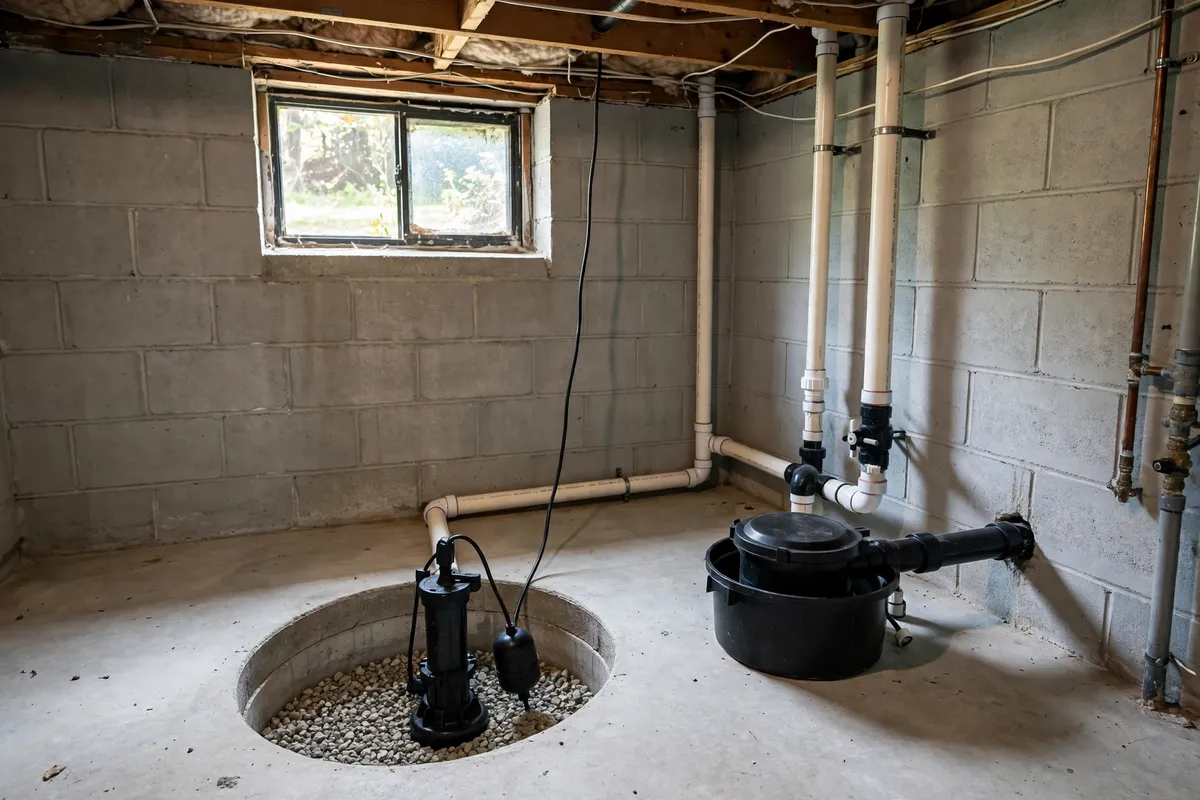
Basement Sewer Backups in Greenwood
Most Greenwood homes drain through a basement before they drain to the street — which makes the backup the city's signature plumbing event. Here is the honest anatomy: the three authors of every flood, how to tell them apart, and the fixes in the order they deserve.
Read the guide \u2192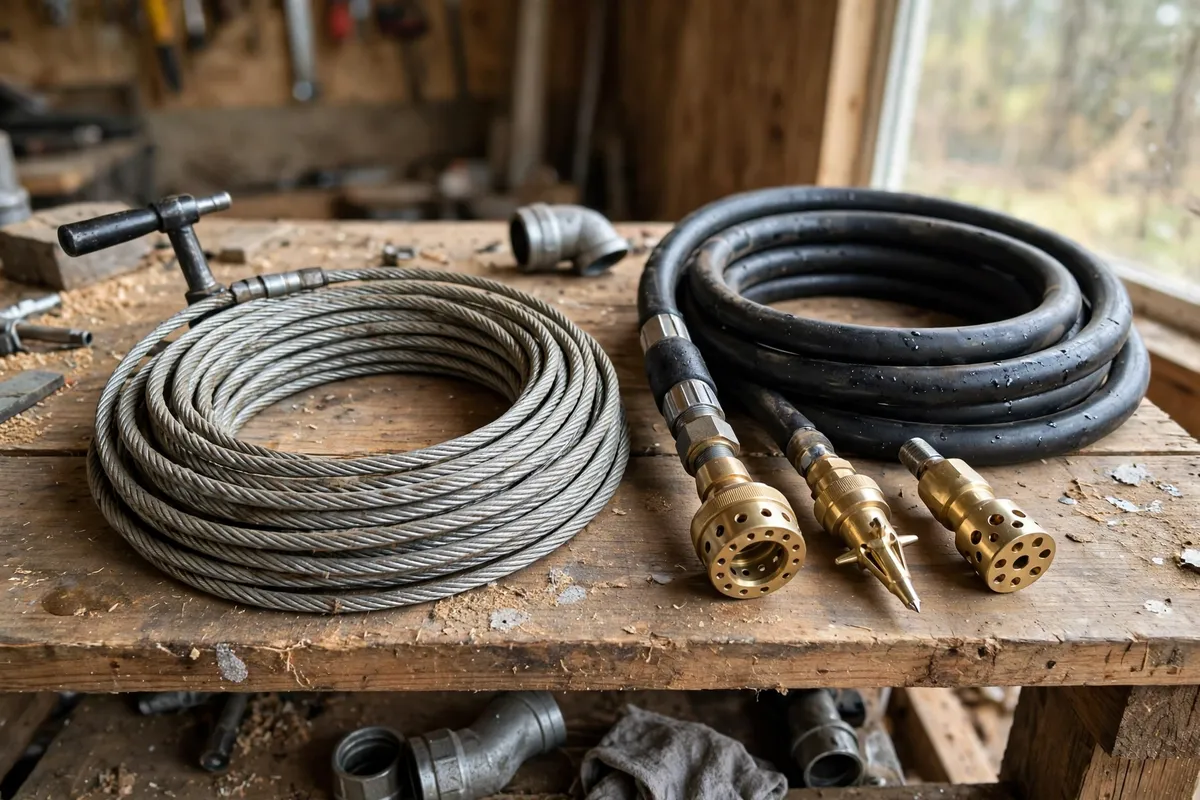
Hydro Jetting vs Snaking in Greenwood
One tool pokes a hole; the other restores the pipe. The honest comparison for Greenwood's three great drain enemies — roots, grease and the limestone scale in every line in the city — and the rule for which tool your money should buy.
Read the guide \u2192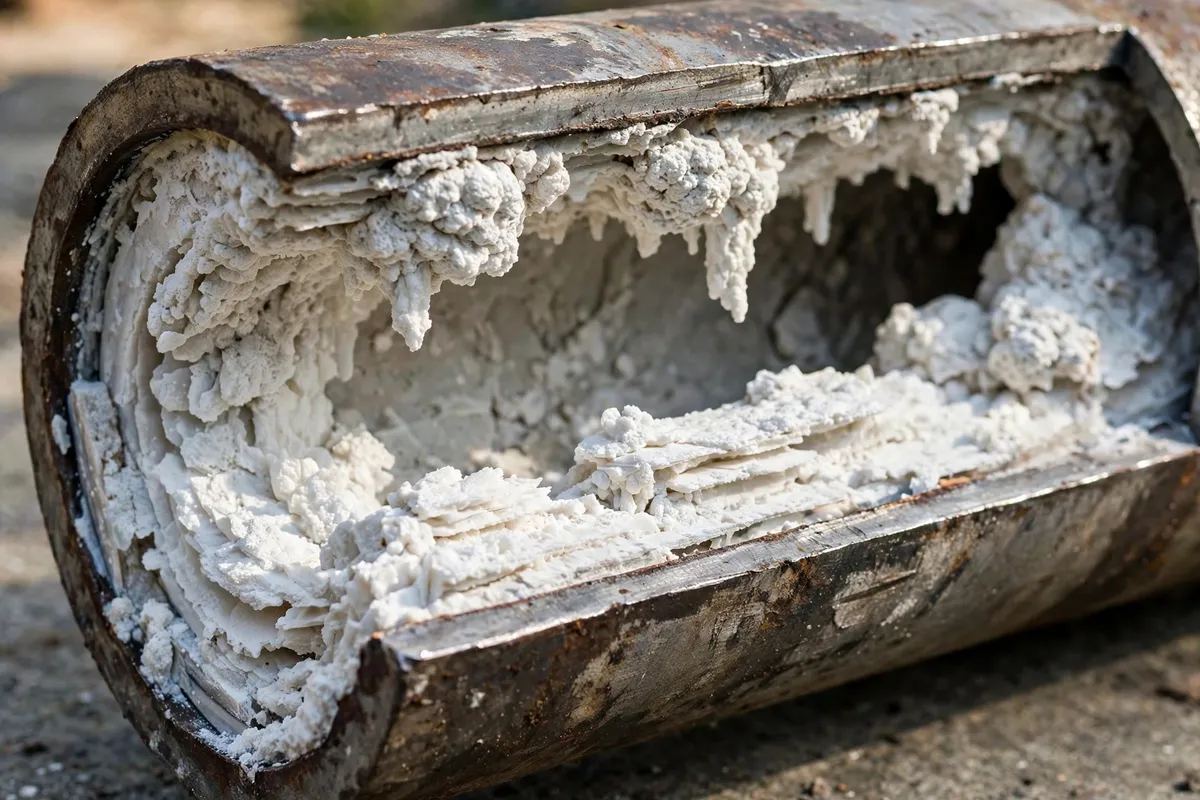
Hard Water Scale in Greenwood Drains
It furs your kettle, spots your glassware — and it is narrowing every drain in your house at a geological pace. How Greenwood's famously hard water builds scale inside pipes, what that scale does to flow, roots and grease, and why it changes the maintenance math for the whole city.
Read the guide \u2192How to use these guides
Start with the one that matches your situation. If your home has a basement — and in Greenwood, most do — the backup guide comes first: it explains ejector pits, check valves and the storm-night pattern that decides which Greenwood basements flood, and it is the closest thing to insurance you can read. A line that needs clearing, or a quote you are trying to judge, belongs to the jetting-versus-snaking guide, which exists to make you a harder customer to oversell. And every Greenwood homeowner, whatever their drains are doing today, should read the hard-water guide once: the scale it describes is building inside your pipes as you read, measurably, and knowing its rate changes how you maintain everything downstream of the meter. Each guide ends where it should: with the service pages, where the fixes live.
One promise about how these guides will age: they will be revised as the city changes. Greenwood keeps growing south and east around Stones Crossing, and every new subdivision writes a new chapter of the same story — new pipe materials, new landscaping habits, new failure patterns at new addresses — while Old Town keeps teaching its slower lessons about clay, roots and time. When a pattern becomes common enough to teach, it will appear here first in the guides and then in the service pages, because that is the order honest information should travel.
A word about where the guides come from: they are distilled from the patterns Greenwood specialists actually meet — the root masses pulled from Old Town clay, the ejector pits found failed on storm nights in the mid-century streets, the scale profiles filmed pipe by pipe in subdivisions barely old enough to have a history. Nothing here is generic content wearing a Greenwood hat; if a detail could not happen under this city's soil, water and weather, it did not make the page. That is also the standard the service pages are held to, and the reason each neighbourhood has its own briefing rather than a shared one with the names swapped.
Reading because something is already wrong? Skip the guides and call (317) 555-0164 — or browse the services that match your symptom. The guides will still be here when the floor is dry, and they read even better with dry feet.